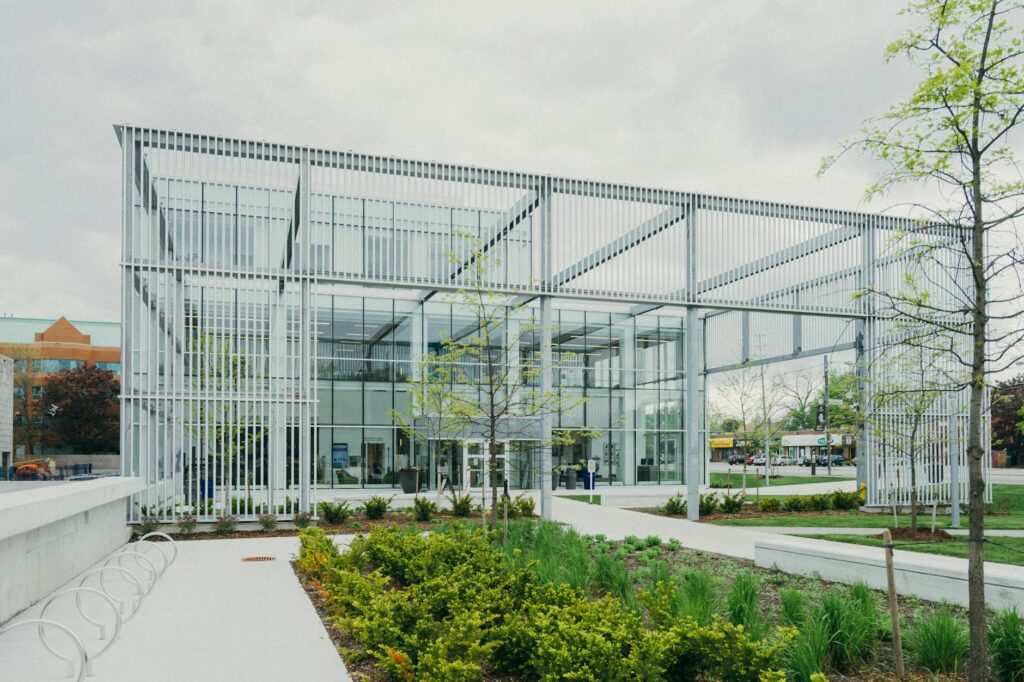
Light Steel Battens: Must-Have Affordable Eco-Friendly Solution
Light steel battens have emerged as a revolutionary building material in the construction industry, offering an affordable and eco-friendly alternative to traditional timber and heavy steel frameworks. This innovative solution has garnered significant attention among architects, contractors, and eco-conscious builders who seek durability, sustainability, and cost efficiency without compromising on quality. In this article, we explore why light steel battens are becoming a must-have choice for modern construction projects and how they can benefit your builds both economically and environmentally.
What Are Light Steel Battens?
Light steel battens are thin, lightweight strips or sections of steel typically used as support frames and fastening systems in both residential and commercial construction. They are designed to provide structural support for walls, ceilings, claddings, and roofing, replacing traditional timber battens. The steel is usually galvanized or coated to prevent corrosion, enhancing its longevity even in harsh weather conditions.
These battens are fabricated using cold-rolled steel, which offers high strength-to-weight ratios, making them easier to handle and quicker to install than heavier steel members or wood. This ease of installation reduces labor costs and construction time, contributing to their growing popularity.
Affordable Benefits of Light Steel Battens
One of the most attractive features of light steel battens is their affordability. Despite being made of steel, they are surprisingly economical due to their lightweight profile and ease of fabrication. Unlike timber, which can vary significantly in quality and price depending on region and availability, light steel battens have consistent pricing and come with less waste on-site.
Moreover, light steel battens require minimal maintenance over their lifespan, reducing long-term costs. They are resistant to common problems associated with timber such as rot, warping, insect infestation, and fire. This durability translates into fewer repairs and replacements, offering excellent value for money.
Eco-Friendly Attributes Driving Demand
In recent years, sustainability in construction has become a priority for many builders and developers. Light steel battens are a stellar example of an eco-friendly building material due to several reasons:
– Recyclability: Steel is one of the most recycled materials in the world, and light steel battens can be manufactured from recycled steel. At the end of their life cycle, they can be recycled again without degradation in quality.
– Resource Efficiency: Light steel battens use less raw material due to their optimized design and strength, meaning fewer resources are consumed compared to traditional steel or timber battens.
– Reduced Waste: Accurate manufacturing and precise cutting of steel battens reduce construction waste at the site, minimizing the environmental footprint.
– Long Lifespan: Their resistance to corrosion and pests means buildings last longer without requiring demolition or replacement, contributing to sustainable building practices.
Applications of Light Steel Battens in Construction
Light steel battens are versatile and adapt to multiple uses across various construction scenarios:
– Wall Framing: They serve as studs or noggings for internal and external wall framing, providing a strong skeleton for attaching plasterboard or cladding.
– Ceiling Support: Used as ceiling battens, they create stable frameworks for suspended ceilings while accommodating services like wiring and ductwork.
– Roofing: Light steel battens act as purlins or rafters in lightweight roof structures, offering support for roofing sheets and tiles.
– Cladding Support: They provide a secure base for fixing façade materials, ensuring a flat and durable surface.
This adaptability helps streamline material requirements on site, reducing the number of different components needed for construction and simplifying project management.
Comparing Light Steel Battens with Timber Battens
Timber battens have traditionally been the go-to material for framing and support in construction. However, light steel battens present several key advantages:
| Feature | Light Steel Battens | Timber Battens |
|———————|———————————|————————————|
| Durability | Resistant to pests, fire, rot | Prone to decay and insect damage |
| Strength | High strength-to-weight ratio | Weaker, more susceptible to warping|
| Cost | Competitive, stable pricing | Price fluctuates with timber supply|
| Eco-Friendliness| Recyclable, less waste | Renewable but involves deforestation|
| Maintenance | Minimal required | Ongoing maintenance needed |
While timber has a natural appeal, light steel battens clearly outperform in longevity and reliability, translating to fewer headaches over the building’s lifetime.
Installation Tips for Light Steel Battens
Installing light steel battens requires some attention to detail but is generally straightforward. Here are some tips to ensure a successful build:
1. Use Appropriate Fixings: Always choose fixings recommended for steel to secure battens firmly.
2. Consider Thermal Bridging: While steel can conduct heat, spacing battens properly and using insulation materials can minimize energy loss.
3. Protect Against Corrosion: Even galvanized battens need site conditions that prevent water accumulation to maximize lifespan.
4. Measure Twice, Cut Once: Precision is crucial with steel as mistakes are less forgiving than timber.
The Future of Building with Light Steel Battens
As construction moves towards sustainable and cost-effective solutions, light steel battens will continue to gain traction. Innovations in steel fabrication, coatings, and design will further improve their performance and reduce environmental impacts. Additionally, increasing awareness about the benefits of steel recycling supports the circular economy in construction industries worldwide.
Conclusion
Light steel battens are indeed a must-have affordable eco-friendly solution in modern building practices. By combining economic advantages with sustainable properties, they provide a compelling alternative to traditional materials. Builders seeking to optimize costs, enhance structural integrity, and contribute to environmental stewardship should seriously consider integrating light steel battens into their projects. Their versatility and longevity make them an excellent investment both now and for the future of sustainable construction.