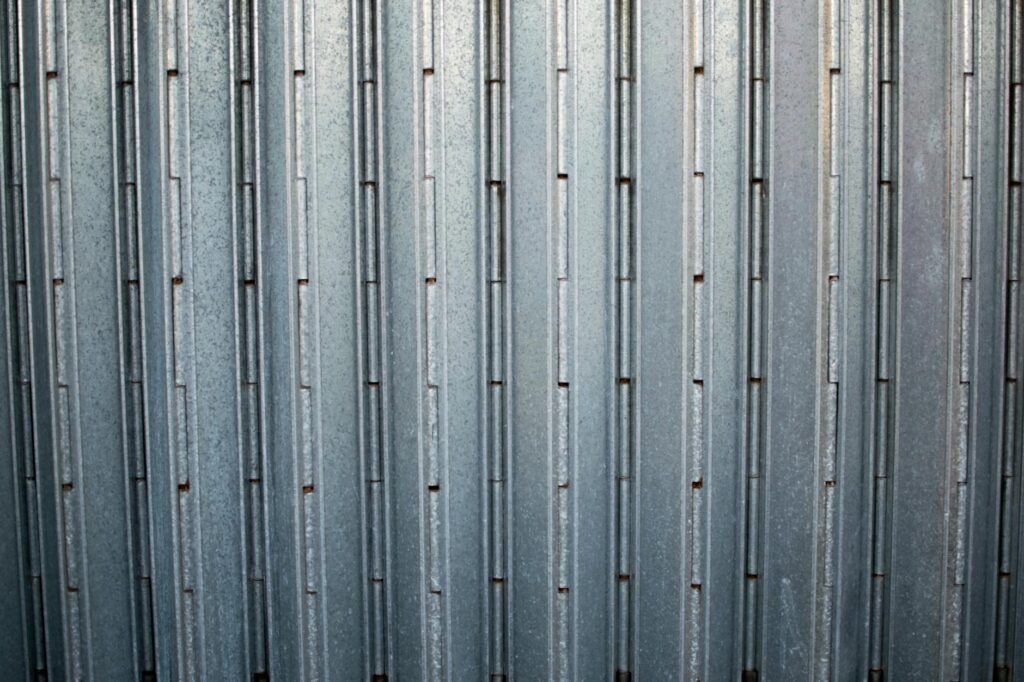
U-Channel Steel: Must-Have Durable Solution for Strong Structures
When it comes to constructing strong and reliable frameworks, U-channel steel is an essential material that engineers, architects, and builders often turn to. Its unique shape, durability, and versatility make it a vital component in a wide range of structural applications. Whether it’s for residential buildings, commercial facilities, or industrial projects, U-channel steel provides the support and stability necessary to ensure lasting quality and safety.
What is U-Channel Steel?
U-channel steel, also known as U-shaped steel channel or simply a steel channel, is a type of structural steel beam with a cross-section shaped like the letter “U.” It consists of a flat web with two parallel flanges on either side, forming the distinctive channel shape. This geometry delivers excellent strength-to-weight ratios, making these beams an economical and efficient option for various construction needs.
Typically made from carbon steel or stainless steel, U-channel steel beams come in a range of sizes and thicknesses. The choice depends on the required load capacity, span length, and environmental conditions of the project.
Advantages of U-Channel Steel in Structural Applications
The reason U-channel steel is a preferred material in construction lies in its numerous benefits:
1. Durability and Strength
U-channel steel boasts impressive mechanical properties. It can withstand considerable pressure and resist deformation under heavy loads, providing reliable structural support. Its ruggedness makes it highly resistant to bending and twisting forces, which are common in building frameworks.
2. Versatility
Thanks to its shape, U-channel steel is incredibly versatile. It can be used as a standalone support element or integrated into larger structural systems such as steel frames, bridges, towers, and platforms. It’s also widely used in fabricating trailers, automotive components, and machinery frames.
3. Ease of Installation
With its simple geometric profile, U-channel steel is relatively straightforward to cut, weld, and bolt. This ease of fabrication speeds up installation times while maintaining precision, resulting in cost savings and streamlined construction schedules.
4. Corrosion Resistance
When sourced in galvanized or stainless steel varieties, U-channel steel offers excellent corrosion resistance. This enhances the longevity of the structure, especially in outdoor or harsh environments exposed to moisture, chemicals, or saltwater.
Common Uses of U-Channel Steel in Strong Structures
U-channel steel’s robust and adaptable nature allows it to play a critical role in a variety of structural applications:
– Building Frames and Supports
One of the primary uses is as a component in building frameworks. U-channels provide lateral support and reinforcement to walls, roofs, and floors. Their shape is ideal for securing panels, glass installations, and guardrails.
– Bridges and Infrastructure
In bridge construction, U-channel steel is used in railings, guardrails, and support beams to offer safety and load-bearing capacity without excessive weight.
– Industrial and Warehouse Racking
Heavy-duty shelving and racking systems rely on U-channel steel for stability and durability. These steel channels ensure secure weight distribution for stored goods and machinery.
– Automotive and Transportation
Vehicle frames, trailers, and transport containers utilize U-channel steel for its excellent strength-to-weight ratio and resistance to vibration and stress.
How to Choose the Right U-Channel Steel for Your Project
Selecting the most suitable U-channel steel involves considering several factors to meet project demands effectively:
– Material Grade
Decide whether carbon steel, galvanized steel, or stainless steel best suits the environment and load requirements. Higher grades often provide better tensile strength and corrosion resistance.
– Dimensions
The width, height, thickness, and overall length should be chosen based on structural calculations. Over- or under-sizing affects performance and cost-efficiency.
– Finish and Coating
Protective coatings such as galvanization can extend lifespan, especially if the steel will be exposed to outdoor elements or corrosive substances.
– Compliance with Standards
Ensure all materials comply with regional and international building codes to guarantee safety and reliability.
Maintenance Tips to Enhance U-Channel Steel Longevity
Once installed, proper maintenance can significantly extend the life of U-channel steel in structures:
– Regular Inspections
Check for signs of rust, deformation, or damage regularly, especially in critical load-bearing spots.
– Surface Treatment
Apply anti-corrosion coatings or repaint periodically to prevent deterioration in harsh environments.
– Load Management
Avoid exceeding specified weight limits, which may cause permanent structural weakness or failure.
Conclusion
U-channel steel stands out as a must-have durable solution for constructing strong, resilient structures. Its balance of strength, versatility, and ease of handling makes it a go-to choice for a vast array of building and industrial applications. By understanding its characteristics and choosing the appropriate grades and sizes, project stakeholders can harness the full potential of U-channel steel to ensure safety, efficiency, and long-term reliability in their structures.