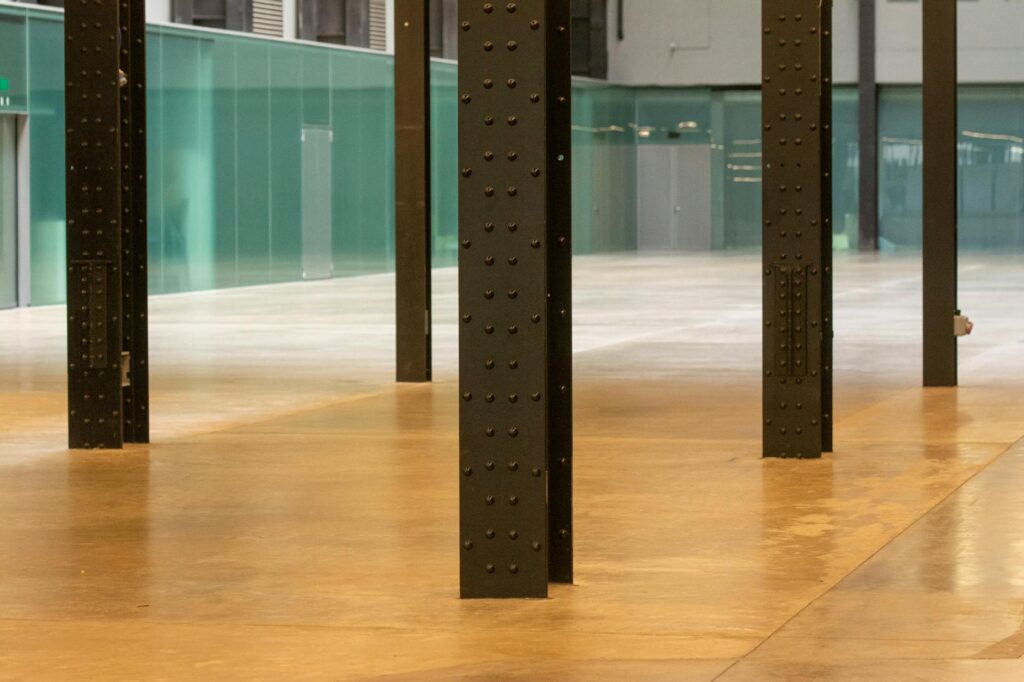
Metal C-Channel: Must-Have Durable Solution for Versatile Builds
When it comes to constructing sturdy frameworks and reliable support systems, the metal C-channel stands out as an indispensable component in various industries. Known for its unique shape, exceptional strength, and versatility, this structural element is widely used in construction, manufacturing, automotive, and many other sectors. Its durability and adaptability make it a must-have for builders and engineers aiming to create robust and long-lasting structures.
What is a Metal C-Channel?
A metal C-channel, sometimes referred to as a C-beam or channel iron, is a type of structural steel shaped like the letter “C.” It features a wide central web with two flanges on either side, which gives it a distinctive cross-section. This design offers excellent strength-to-weight ratio, making it capable of handling heavy loads and stresses while remaining lightweight enough for ease of handling and installation.
These channels come in various sizes and thicknesses to meet different needs and applications, offering flexibility depending on the project’s requirements. Typically, metal C-channels are made from steel, aluminum, or stainless steel, with steel being the most common due to its impressive strength and affordability.
Why Choose Metal C-Channel for Your Builds?
One of the primary reasons metal C-channels are favored in construction and engineering projects is their durability. Their structural integrity allows them to withstand extreme conditions, from heavy weight loads to harsh weather and corrosion, especially when treated or coated properly. This makes them ideal for both indoor and outdoor applications.
Furthermore, metal C-channels are incredibly versatile. Their shape allows them to be used as frames, braces, supports, rails, and guides. Whether you are building a simple frame for shelving or constructing a heavy-duty bridge, metal C-channels provide the necessary strength and flexibility to ensure the structure’s stability and longevity.
Versatility of Metal C-Channels in Various Applications
The adaptability of metal C-channels means they are employed across a broad spectrum of industries. Here are some common uses:
– Construction: Metal C-channels form the backbone of many building frameworks, including wall studs, roof trusses, and floor joists. Their high load-bearing capacity and ease of connection make them invaluable for commercial and residential construction alike.
– Manufacturing: In machinery and equipment manufacturing, metal C-channels serve as frames and supports for conveyors, racks, and workbenches. Their strength ensures safety and reliability during heavy-duty operations.
– Automotive: Metal C-channels are used in vehicle chassis and frames, where durability and weight efficiency are critical for performance and safety.
– Infrastructure: These components also play crucial roles in infrastructure projects such as bridges, tunnels, and railway tracks, where robust support systems are essential.
Benefits of Using Metal C-Channel in Builds
1. High Load-Bearing Capacity: The structural design offers excellent resistance to bending and twisting, allowing it to support significant weight.
2. Corrosion Resistance: When made from galvanized steel or treated with protective coatings, metal C-channels resist rust and degradation, extending their service life.
3. Cost-Effective: The combination of durability and versatility makes metal C-channels a cost-efficient choice, reducing maintenance and replacement expenses in the long run.
4. Ease of Installation: Their standardized shapes enable quick cutting, welding, drilling, and fastening, simplifying the construction process.
5. Compatibility With Other Materials: Metal C-channels can easily be combined with wood, concrete, and other metals, making them compatible with various construction styles and methods.
How to Select the Right Metal C-Channel for Your Project
Choosing the appropriate metal C-channel depends on factors like load requirements, environmental conditions, and budget. Here are a few tips:
– Determine Load Capacity: Calculate the maximum weight the channel needs to support to ensure it meets safety standards.
– Select Material Type: For outdoor or corrosive environments, opt for galvanized or stainless steel. For lighter, non-critical applications, aluminum channels may suffice.
– Check Dimensions: Width, height, and thickness of the web and flanges should match the structural needs.
– Consider Finish: Powder coating or galvanizing helps prolong lifespan and maintain aesthetics.
Consulting with an engineer or construction professional can provide tailored recommendations based on your specific use case.
Conclusion
The metal C-channel is truly a must-have durable solution for versatile builds. Its combination of strength, adaptability, and cost-effectiveness ensures it remains a cornerstone in many construction and manufacturing applications. Whether you are engaging in small-scale woodworking projects or large infrastructure developments, incorporating metal C-channels into your designs will provide superior support and longevity. Understanding how to select and utilize these components effectively can significantly enhance the safety, durability, and overall success of your build.